

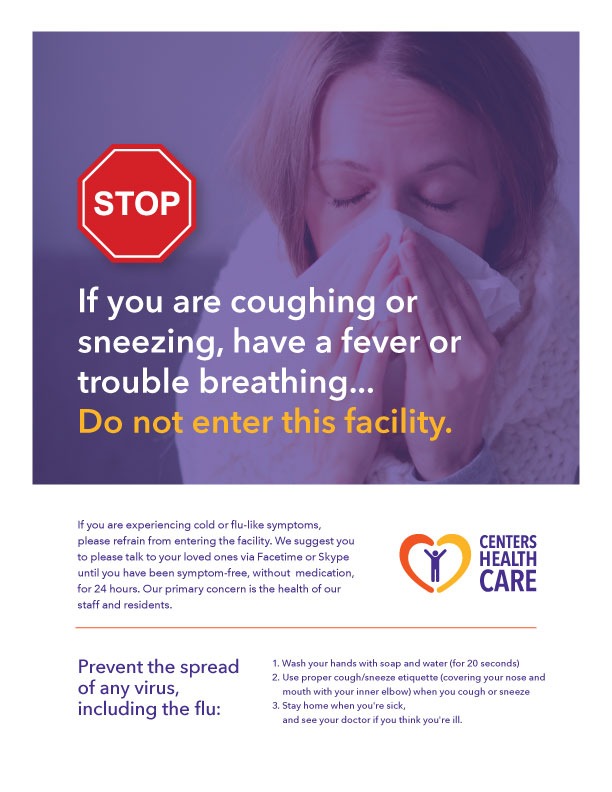
Coronavirus Notice:
Essex Center for Rehabilitation and Nursing on Five Medications That Can Affect Your Sleep
According to a study in the Journal of Clinical Sleep Medicine, as many as 50 percent of adults over the age of 60 report having some difficulty falling asleep or staying asleep. A clinical diagnosis of insomnia is at around 20 percent in that age group.
One of the biggest factors that lead to insomnia (broadly defined as dissatisfaction with sleep) is medication side effects.
Essex Center for Rehabilitation and Nursing would like to go over five common medications that can adversely affect how you sleep.
- Alpha-Blockers
Alpha-blockers are mostly prescribed to treat high blood pressure and prostate problems. They relax certain muscles to keep blood vessels open and help improve urine flow. They are also linked to decreased REM sleep – the sleep stage that produces dreams. If this is an issue, you can ask your doctor about benzothiazepine calcium channel blockers.
- Corticosteroids
This family of drugs (including cortisone and prednisone) are used to treat things like inflammation of blood vessels, along with allergic reactions, lupus, and rheumatoid arthritis. These drugs throw off your adrenal glands, which is what controls your body’s fight-or-flight response. The additional stress keeps your body awake and your mind active. Sometimes, taking these medications first thing in the morning can cause them to wear off a bit by time it’s time for bed.
- ACE Inhibitors
This is another high blood pressure medication, but they also treat congestive heart failure. One side effect of this medication is a hacking, dry cough, so while sleep may not be directly affected, the coughing can lead to restless nights. Benzothiazepine calcium channel blockers may also be used as an alternative for ACE inhibitors.
- Cholinesterase Inhibitors
These medications are used to treat patients with Alzheimer’s and other forms of dementia. They are supposed to slow the memory loss process, but there are questions to how effective they are. They also have some unpleasant side effects that include changes in heart rhythm, diarrhea, nausea, and insomnia.
- Glucosamine and Chondroitin
These dietary supplements are used to help relieve joint pain and are marketed as supplements to treat arthritis. Side effects include insomnia, headaches, nausea, and diarrhea. One study shows that participating in yoga and getting routine massages can be more helpful than taking these supplements, and of course, come with no side effects.
Essex Center for Rehabilitation and Nursing on the Possibility of Double-Sided Tape Replacing Surgical Sutures
The need for surgical sutures, along with the time-consuming and sensitive side effects that come with it, could be a thing of the past, as engineers from the Massachusetts Institute of Technology have designed a double-sided tape that can take the place of traditional methods.
MIT engineers say they were inspired by the sticky substance that spiders use to trap prey, and the double-sided tape concept that they created can rapidly seal tissues together – even ones that are traditionally difficult to do with surgical sutures and can lead to complications.
“There are over 230 million major surgeries all around the world per year, and many of them require sutures to close the wound, which can actually cause stress on the tissues and can cause infections, pain, and scars. We are proposing a fundamentally different approach to sealing tissue,” says Xuanhe Zhao, senior author of the study and an associate engineering professor at MIT.
The tape was tested on pigs and rats, and found to be effective on skin, along with tissue in the lungs, stomach, liver, and small intestine.
Researchers touted the tape’s ability to seal a wound in a matter of seconds, which is much more effective than the minutes it takes for tissue glue to take hold, and even that substance can cause problems if it leaks into other parts of the body.
Tape May Also Be Able to Keep Implanted Devices in Place
The research team is still exploring the possibility that the tape can be used to keep medical devices in place. A polyurethane heart patch was tested successfully on a rat, while silicone rubber, titanium, and hydrogels were also attached to various tissue with the tape.
The team is now working with doctors to identify more uses for the tape and to perform more tests in animal models.
Essex Center for Rehabilitation and Nursing with 5 Ways to Speed Up Wound Healing
Essex Center for Rehabilitation and Nursing with Four Ways to Lower Cortisol Levels for Less Stress
Essex Center for Rehabilitation and Nursing on the Continued Scrutiny of E-Cigarettes
The popularity of e-cigarettes, especially among the younger population, has exploded in recent years.
In case you’re not aware, e-cigarettes are an electronic device that generally contains a battery, a heating element, and a place to hold a liquid that usually contains nicotine. When the liquid heats up, it can be inhaled into a user’s lungs and then exhaled into the air. This process is commonly referred to as vaping.
E-cigarettes became mainstream when they were marketed as a safer alternative to traditional cigarettes, despite containing a comparable amount of nicotine. The nicotine is burned in cigarettes, while it is only heated in e-cigarettes, which allegedly allows fewer toxins to be released into the user’s lungs.
However, the U.S. Food and Drug Administration (FDA) announced in August that they are seeking public input on a proposal that would add nearly 20 chemicals to its list of harmful ingredients found in tobacco products.
“As our oversight and scientific knowledge of tobacco products has evolved, so too should our requirements for manufacturers and importers to provide information about the chemicals or chemical compounds in their products that cause or could cause harm to users and nonusers,” acting FDA Commissioner Ned Sharpless said in a statement.
Among the chemicals that the FDA is considering flagging are ones that add flavor to the e-cigarettes. One is called diacetyl, which gives off a butter-like taste.
The FDA has long considered these chemicals safe to be added into food, but the long-term effects of these products being inhaled in aerosol form is unknown.
As more and more information comes out about the safety of e-cigarettes, you should talk to you doctor if you or young ones in your life are using these products.
Essex Center for Rehabilitation and Nursing Shares Five Diet Tips to Improve Sleep
There are several factors that cause seniors to either have trouble falling asleep or staying asleep throughout the night. A poll by the National Sleep Foundation found that 39 percent of people over the age of 65 wake up a lot during the night.
Medical conditions, side-effects of medicines, mental health issues like stress and anxiety, and lack of exercise are among the reasons that older people don’t get a good night’s sleep, along with natural changes in the circadian rhythm as we age.
However, one of the biggest things that can affect our quality of sleep is our diet.
With that in mind, Essex Center for Rehabilitation and Nursing would like to present five diet tips to improve your sleep.
- Limit Caffeine Late in the Day
This seems like a no-brainer, but make sure you are aware of beverages that contain caffeine. If you have tea or soda at dinner, you could pay for it at night. Try to have your last cup of coffee no later than 1 or 2 o’clock.
- Avoid Alcohol Before Bedtime
You may fall asleep quickly after a glass of wine, and one glass may be OK. However, the alcohol is more likely to disrupt your sleep throughout the evening.
- Cut Down on Carbs
Eating foods with lots of sugar and carbs like white bread, white rice, and pasta can keep you awake while your body digests the energy.
- Avoid Large Meals Right Before Bed
The feeling of being full can be uncomfortable and keep you from sleeping. It also will likely lead to weight gain, as your body’s metabolism slows down at night. Try to eat dinner at least three hours before retiring for the night.
- Don’t Drink Too Much Liquid Before Bed
Space out your water intake throughout the day, this way you don’t feel dehydrated in the evening and drink too much water to try and compensate. Drinking too much water in the hour before bedtime will increase the chances that your sleep is interrupted for a bathroom break.
Four Questions to Be Sure to Ask Your Doctor When Diagnosed with Alzheimer’s Disease
Facing an Alzheimer’s (or other form of dementia) diagnosis can be a scary, confusing time. Whether it’s you facing the diagnosis or someone you’re going to be caring for, now is the best time to ask the doctor as many pointed questions as possible so you can learn the most about the diagnosis, treatment plans, and what lies ahead for the future.
Essex Center for Rehabilitation and Nursing wants you to be as informed as possible when facing such a life-changing event. We would like to share four key areas to ask questions to your doctors about, straight from the Alzheimer’s Association’s National Early-Stage Advisory Group. These are real people facing Alzheimer’s who wished they asked their doctors these questions when they were diagnosed.
- The Diagnosis
Ask your doctor what tests were administered to determine the diagnosis of Alzheimer’s, and what was measured in those tests.
- The Disease
Ask how the disease will progress and what you can expect in the future. A rough timeline may help you prepare and cope.
- Treatment Options
Find out what treatments are available, and which symptoms they treat. Also since Alzheimer’s medicine is an emerging science, ask about any clinical trials that may be available and where you can find more information about clinical treatment studies.
- Care Team and Support
Ask your doctor how familiar he is with treating Alzheimer’s patients and if he will be managing your care moving forward. Find out what other resources in the community will be at your disposal for both you and family members/caregivers.
Unfortunately, there is no cure for Alzheimer’s at the moment, but early detection and proper treatment can slow the progression of the disease, giving patients an extended time of having a good quality of life.
Essex Center for Nursing and Rehabilitation on if You Need A Measles Vaccination
Measles, a disease that was declared eradicated in 2000 by the U.S. Centers for Disease Control and Prevention (CDC), has been documented in around 700 cases among 22 states in 2019.
Much of the resurgence has been in children whose parents chose not to have them vaccinated for the disease.
Prior to the vaccine being available in 1963, three to four million Americans got the disease each year.
Now, questions are arising whether people who had the measles as a child or those vaccinated against it decades ago need another vaccination.
Fortunately, a simple blood test can determine if you need a booster of the MMR (measles, mumps, rubella) vaccine. Doctors can use the test to determine your immunity levels by detecting antibodies that fight measles.
People who were either not vaccinated or received one from 1963 through 1967 may have a weakened immune level for the disease. That’s because a version of the vaccination given in that timespan proved to not work as well as the version that is still used today.
If you don’t mind getting the shot, you can skip the blood test and get another vaccination. Getting another vaccination if you are already immune will not do any damage to your body.
The CDC recommends that adults who do not have evidence of immunity should get at least one dose of the MMR vaccine. In some cases, including healthcare professionals, should receive two doses at least 28 days apart. There are exceptions to the recommendation, including pregnant women and people with weakened immune systems due to diseases like cancer or HIV/AIDS. All of the information about the MMR vaccine can be found here.
As a general guideline, the CDC says you do not need the vaccine if you were born before 1957 because nearly everyone was infected with the virus as a child. However, if you’re unsure, the blood test can confirm your immunity.